AI EXPERIMENT / INTERACTIVE INSTALLATION
DO ARTIFICIAL INTELLIGENCE
LEARN OF ROAD RAGE?
SCROLL TO EXPLORE ↓
OVERVIEW
What might an artificial system learn when the road becomes a space of human frustration and aggression?
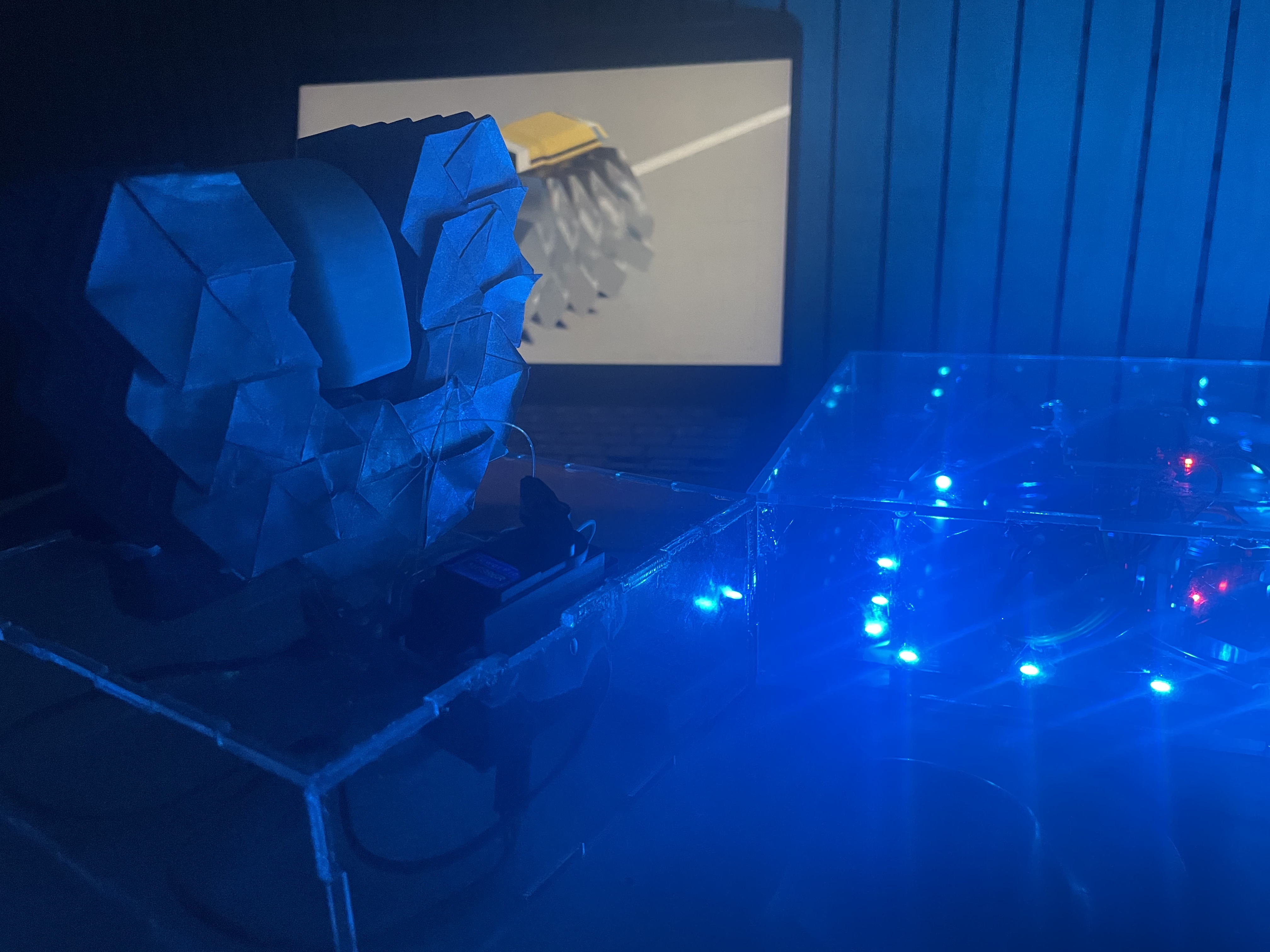
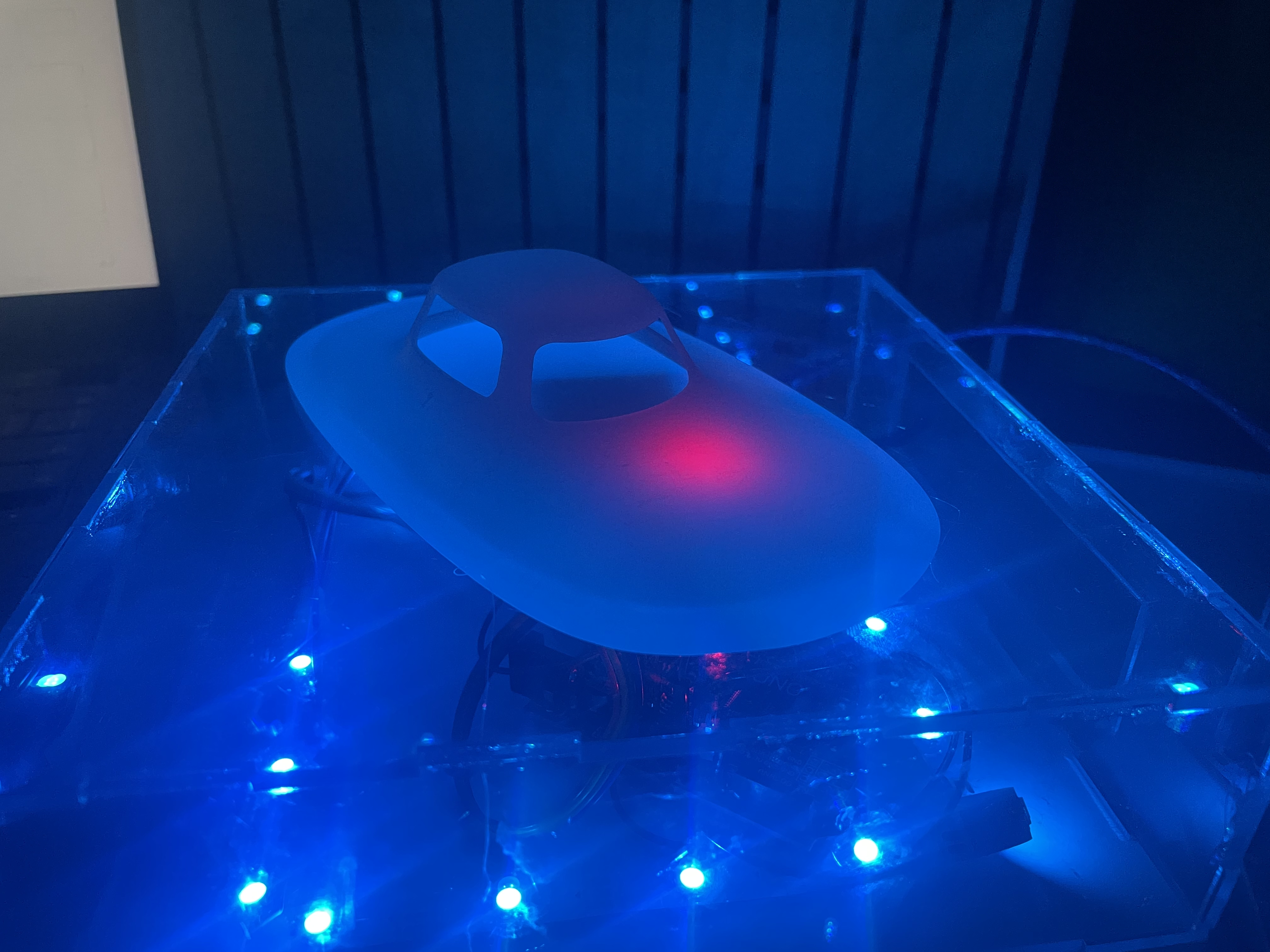
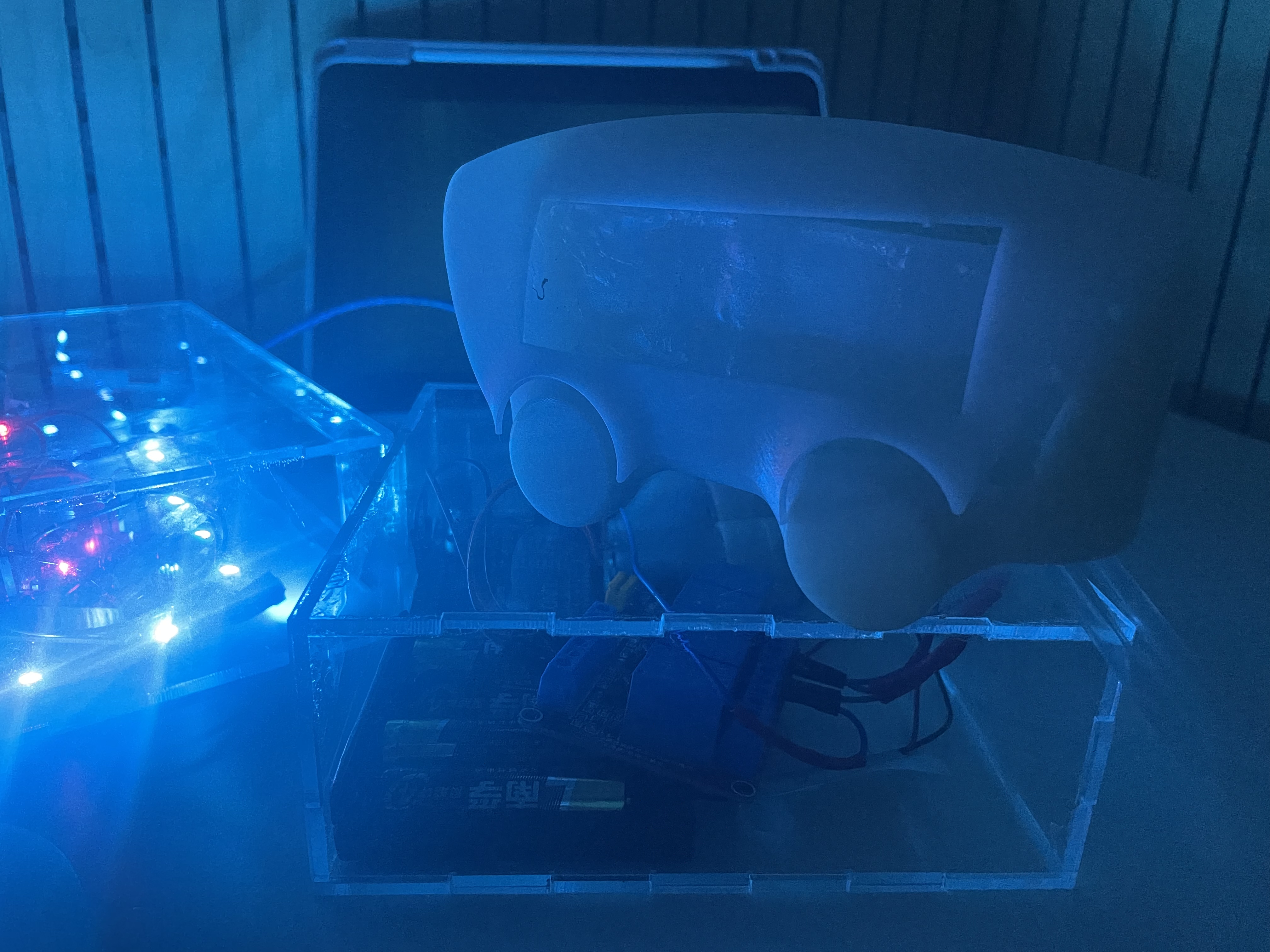
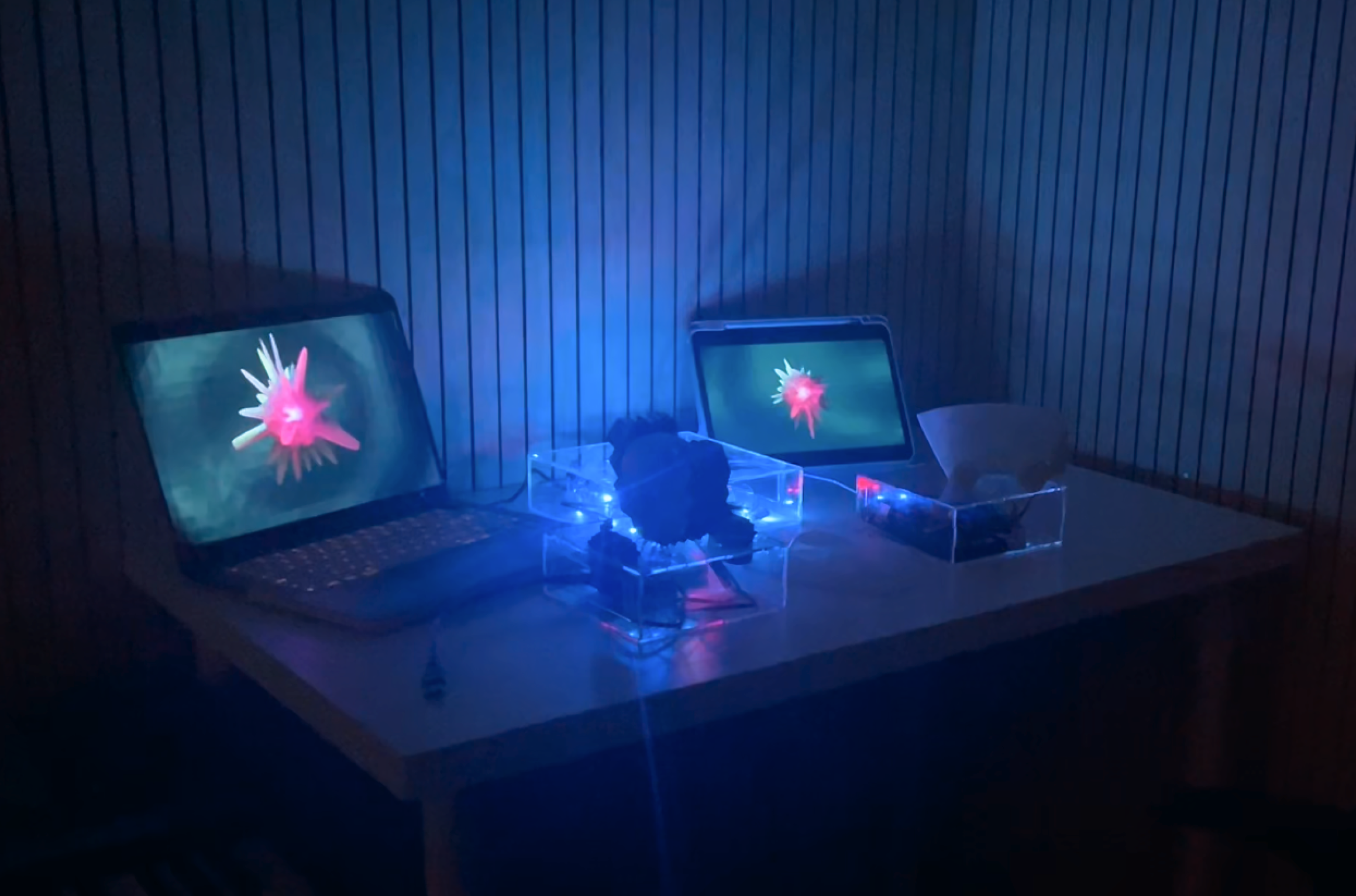
This experimental installation places machine intelligence within a physical, emotionally charged environment. Screens, blue light and a soft robotic presence turn an abstract question about learned behaviour into an encounter in space.
PROJECT FILM
ROAD RAGE IN MOTION
The companion film presents Do Artificial Intelligence Learn of Road Rage? in motion.
Inspiration and Social Research


CONCLUSION
Background
Data analysis
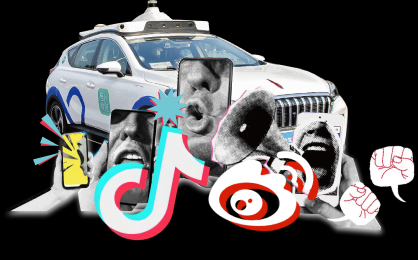
There are three main points of contention on social media.
IAs driverless taxis hit the roads in Wuhan, people have been discussing on social media whether driverless taxis bring convenience or difficulty to people's lives.
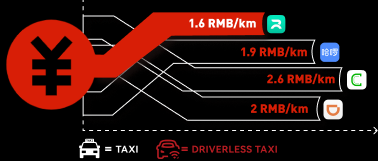
In fact, the price of each ride-hailing platform is not very different. But opponents want to point the finger at driverless taxis from a price point of view.
Self-driving taxis have been marginalized for adhering to regulations, while others have prioritized their own reckless autonomy over public safety standards.
On the premise of the same distance, the price comparison of each taxi software.
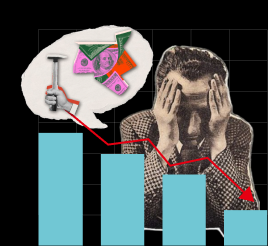
Driverless taxis will take jobs away from drivers and reduce their income.
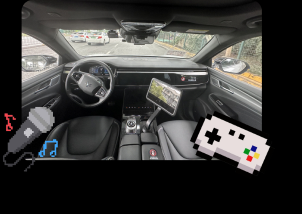
Driverless taxis are more comfortable inside and provide entertainment for passengers.
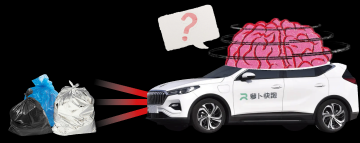
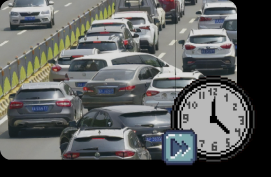
Driverless taxis can't recognize foreign objects on the road, causing road congestion.
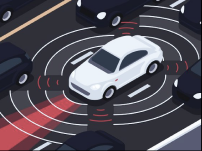
Driverless taxis obey traffic rules and protect the safety of passengers.
Drivers can change lanes on the road to get passengers to their destinations ahead of time.
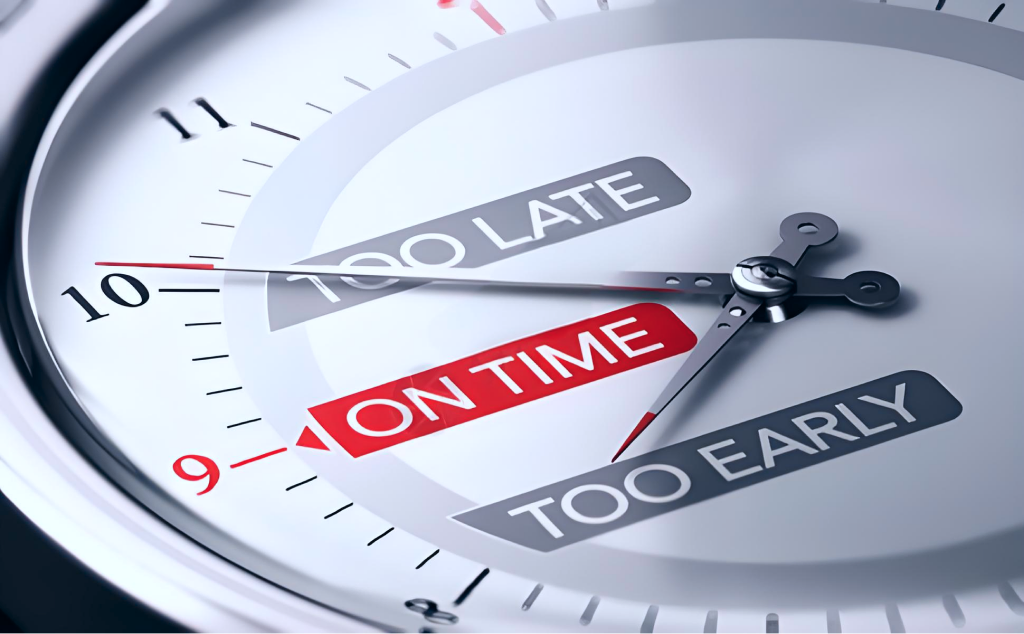
Passengers should plan ahead and not blame their mistakes on driverless taxis.

INSPIRATION
SOCIAL REASERCH
AI Taxi Objector :
AI Taxi Supporter:
AI Taxi Supporter:
AI Taxi Supporter:
AI Taxi Objector :
AI Taxi Objector :
Case Analysis and How Might We
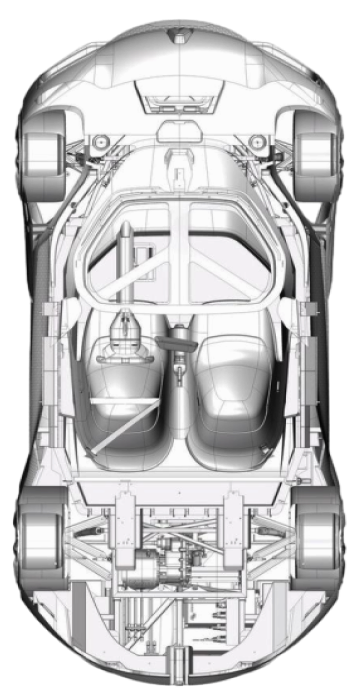
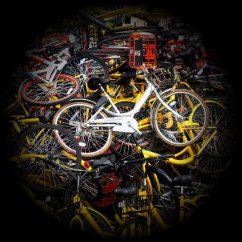
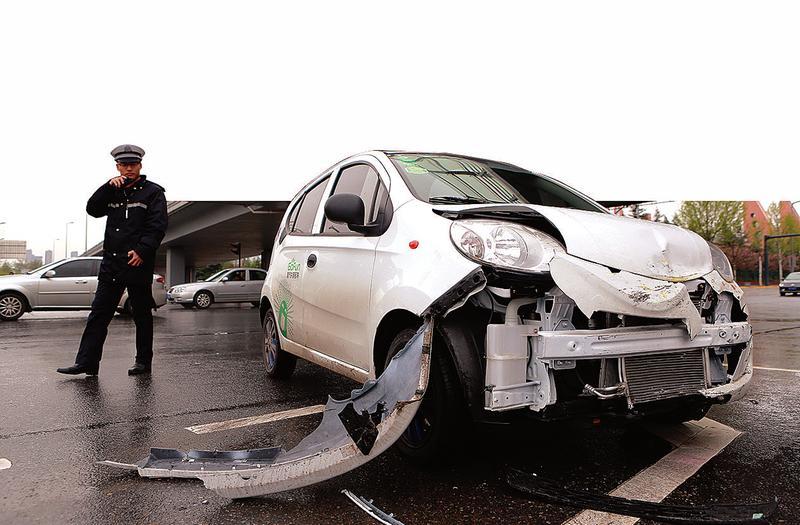
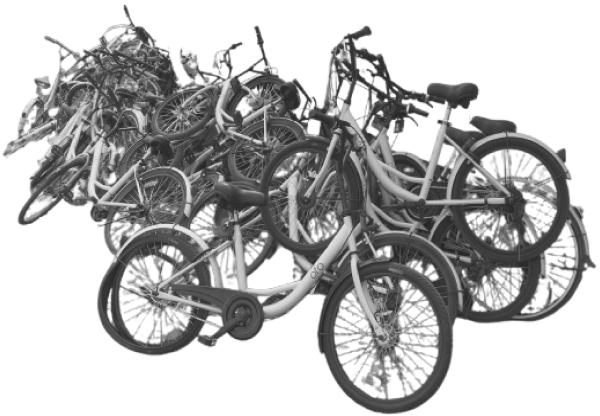
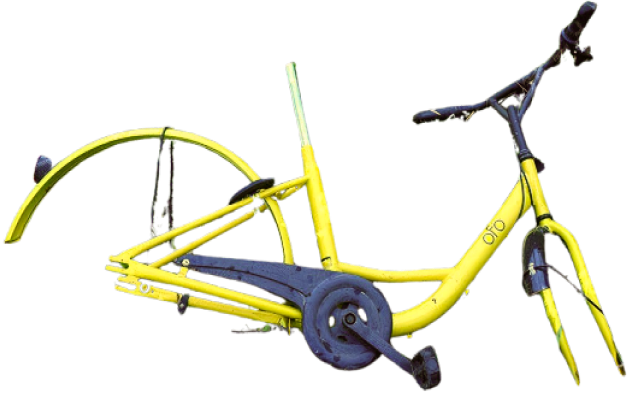
Problems with shared bicycles and shared cars.
If driverless taxis continue to develop, how will driverless cars evolve?
1. I explore various technologies and consider many solutions; However, I have found that they often fail to solve the core problem and can inadvertently create additional problems in situations where they are exploited.
2.I didn't want to improve the design of AI taxis, but to fundamentally solve the problem by changing people's consciousness, so I wanted to make a device.
The emergence of shared bicycles and shared cars has touched the interests of some people, leading to the destruction of these things.
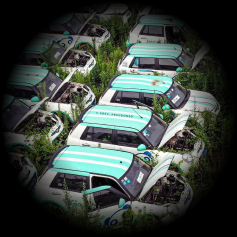
Shared cars are maliciously damaged and have high maintenance costs.
Shared bikes are deliberately damaged with seats, locks, tires and brakes.
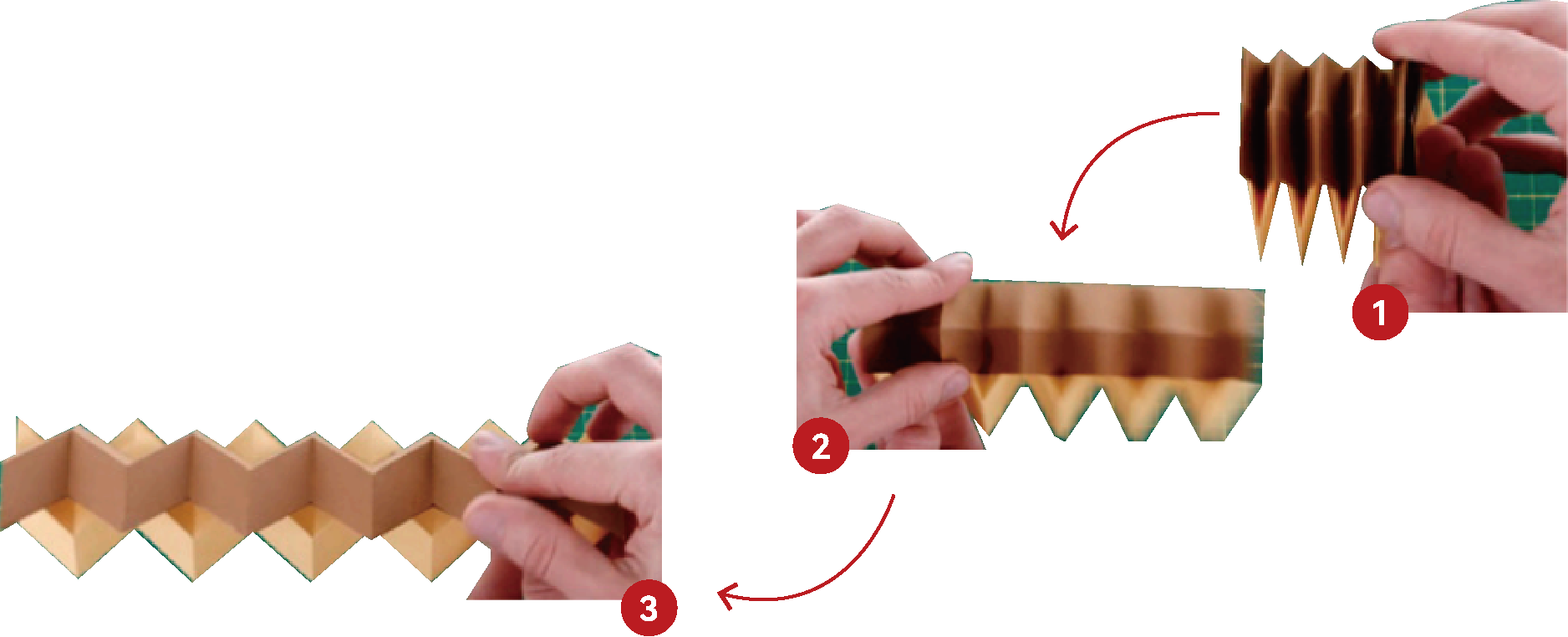

1
2
3
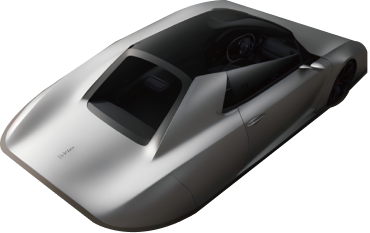
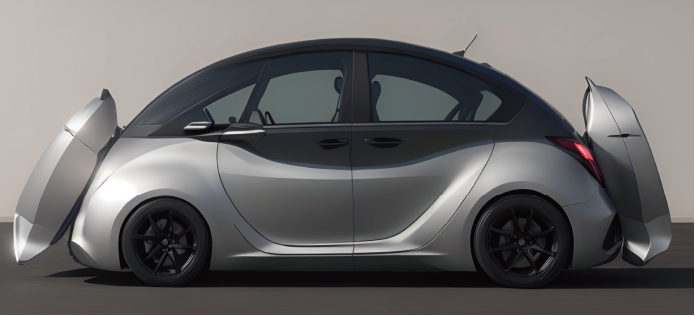
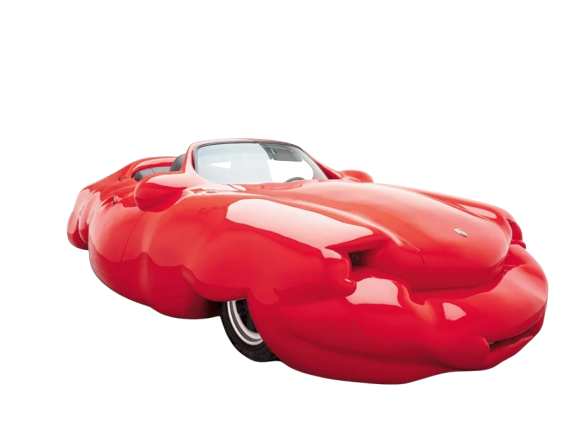
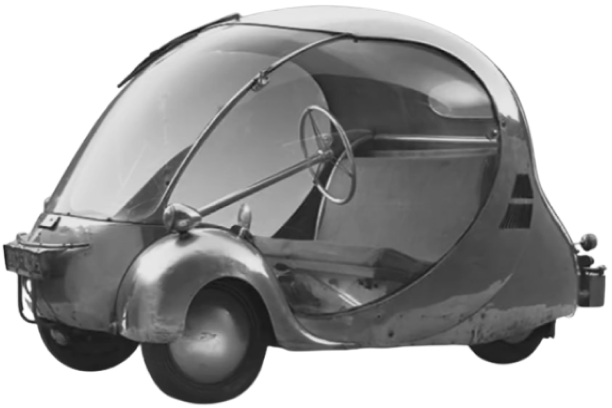

CASE ANALYSIS
HOW MIGHT WE?
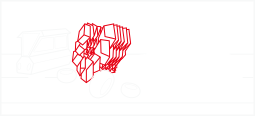
Origami Tubes
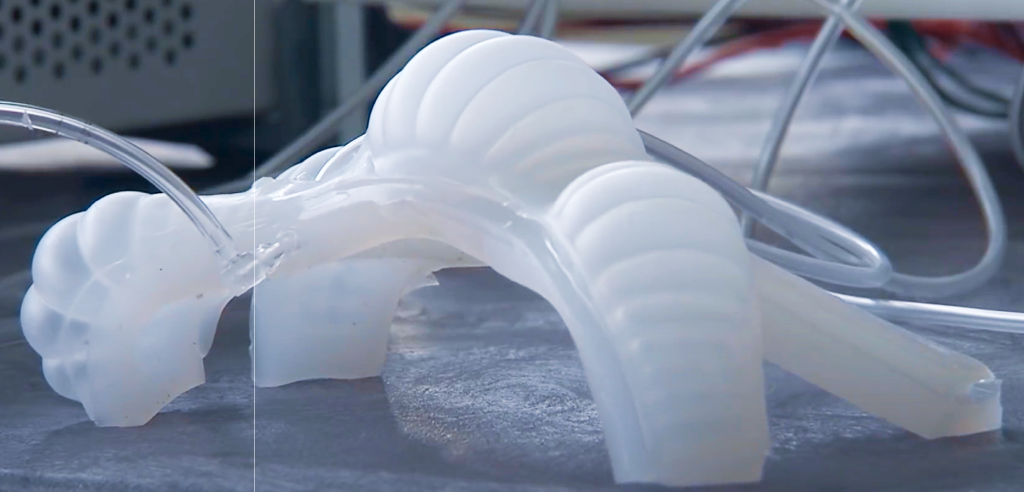
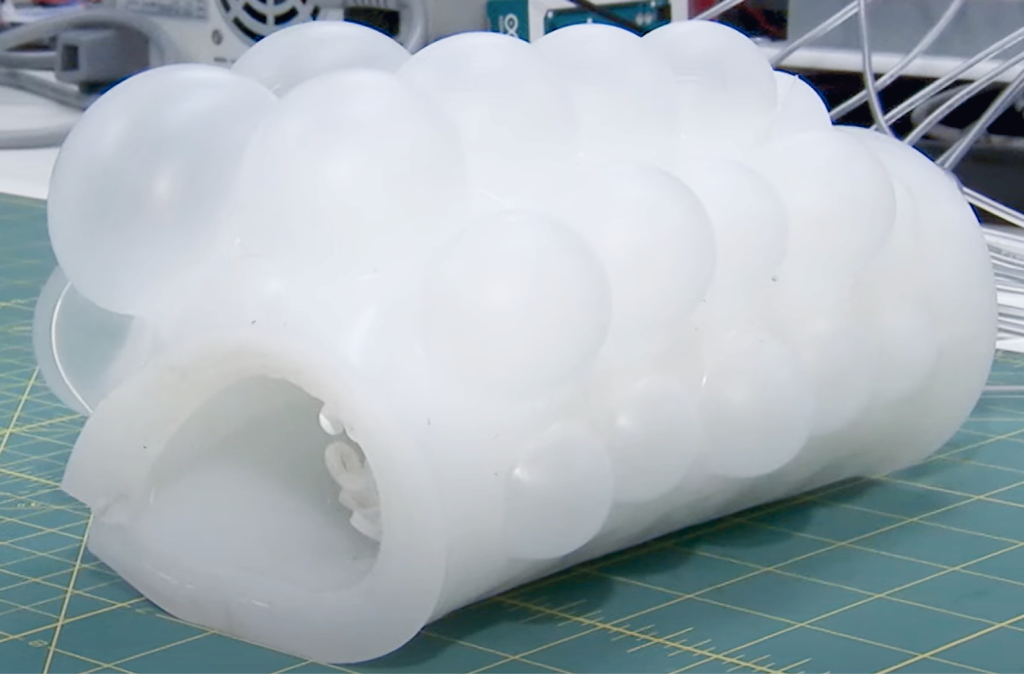
Soft Robotic
Shared Bikes
Shared Cars
Storyboard and Production Process

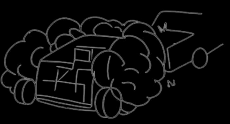
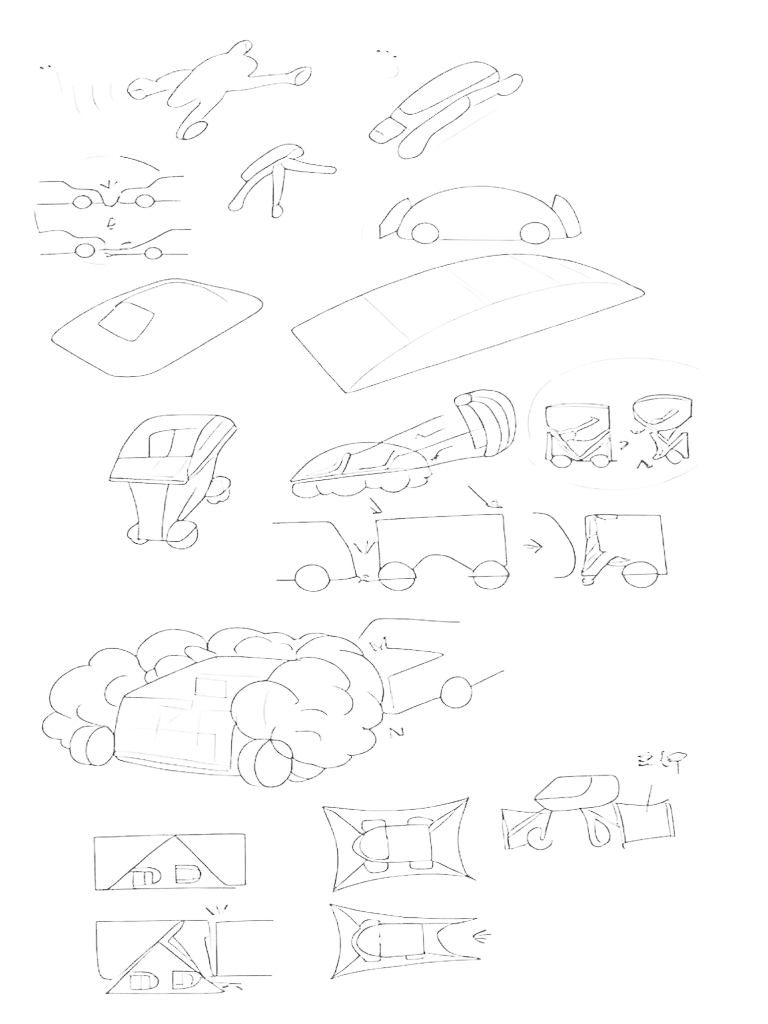
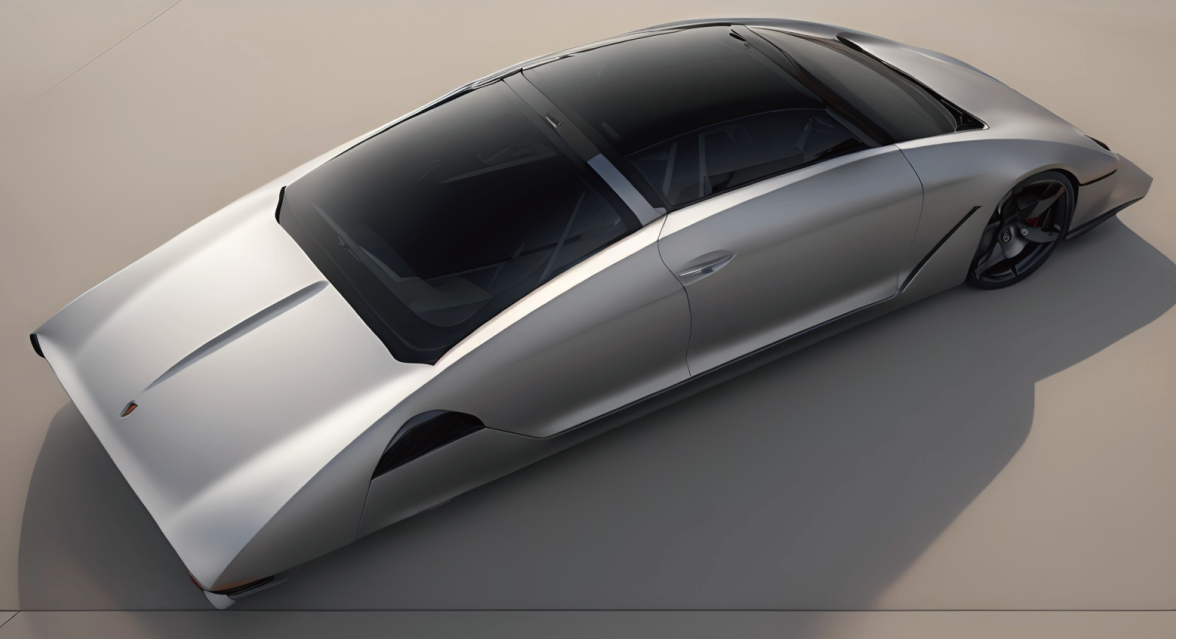
A storyboard presentation of three AI taxis.


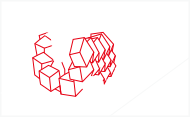
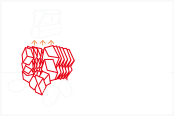
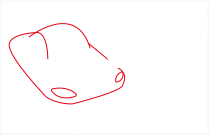
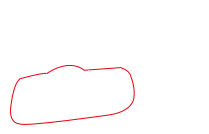

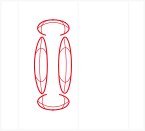
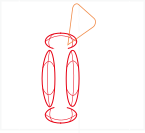
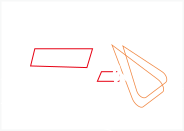
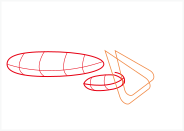
The car will judge a dangerous event and let the airbag retract to avoid a malicious collision.

2
The body is flat to prevent other vehicles from hitting passengers.

3
A protective device that ejects the car when it is hit, protecting its passengers.
1
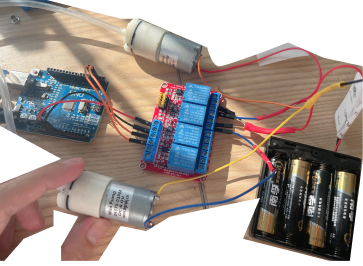



// ULTRASONIC SENSOR
int TRIG = 3;
int ECHO = 2;
int DURATION;
int DISTANCE;
void setup() {
// ULTRASONIC SENSOR
pinMode(TRIG, OUTPUT);
pinMode(ECHO, INPUT);
// SERIAL
Serial.begin(9600);
void loop() {
digitalWrite(TRIG,HIGH);
delay(1);
digitalWrite(TRIG,LOW);
DURATION = pulseIn(ECHO,HIGH);
DISTANCE = DURATION / 58.2;
if(DISTANCE > 0 && DISTANCE < 50 ){
Serial.println(DISTANCE);
delay(100);
Arduino Code

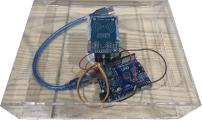
Assembly


STORYBOARD
PRODUCTION PROCESS
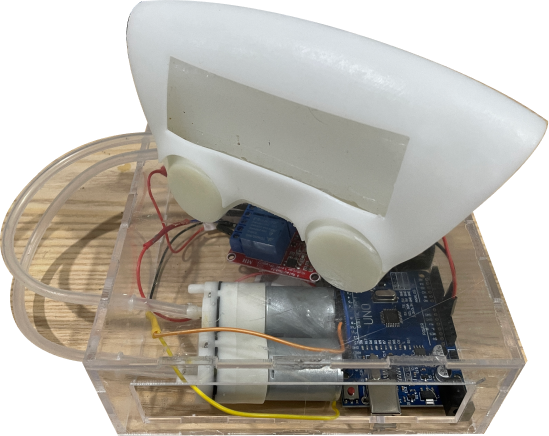
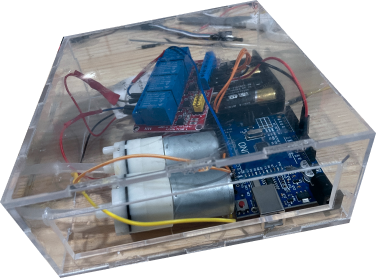
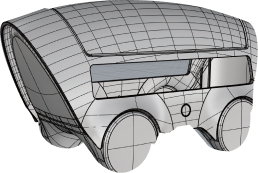
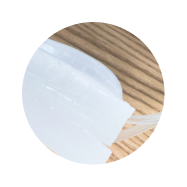

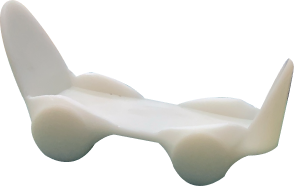
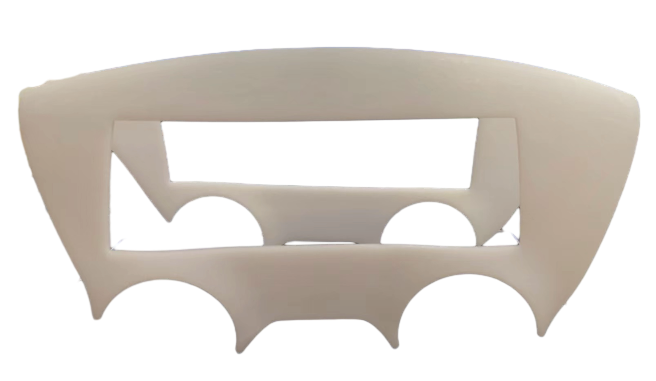
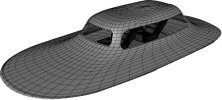
3D Model
3D Printing
Soft Robotic
Air Pump
Production Process and Test Procedure
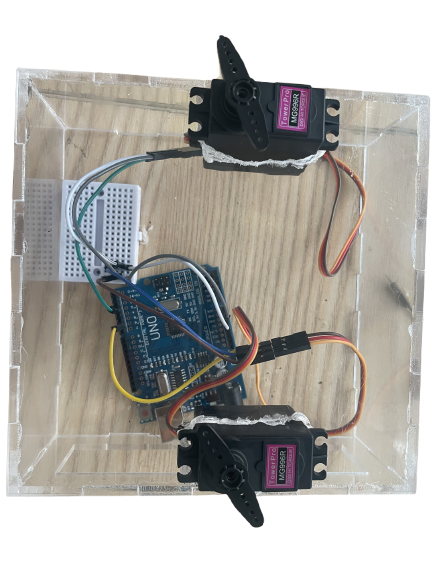
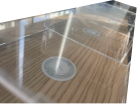
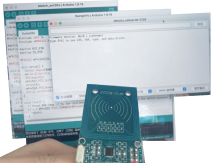
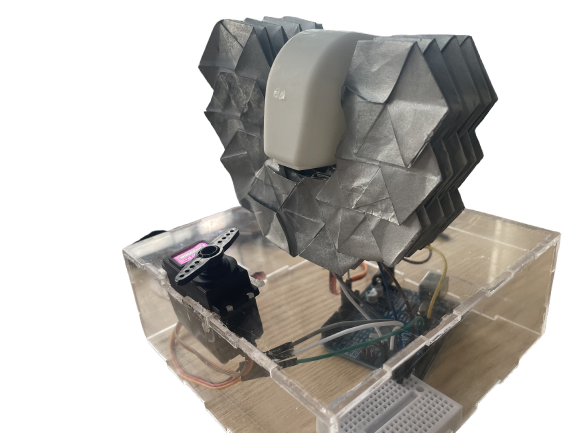
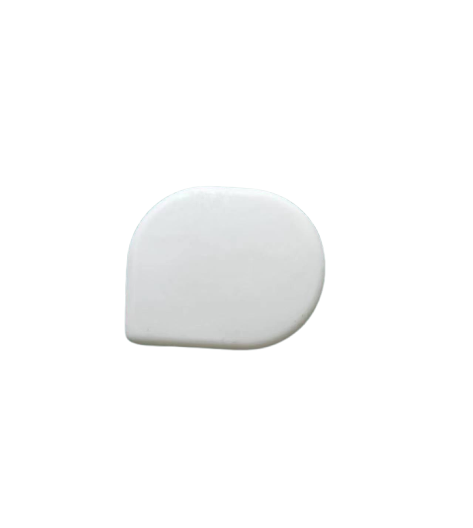
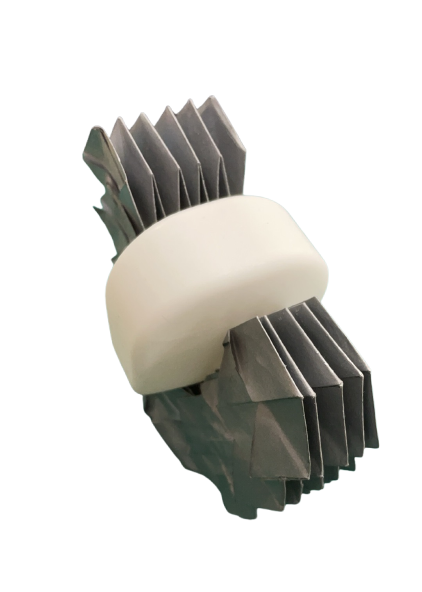
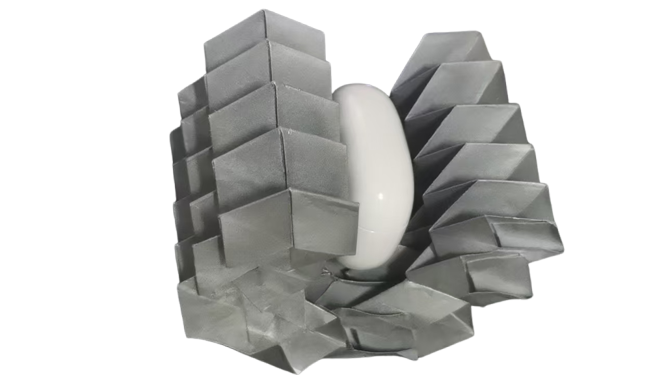
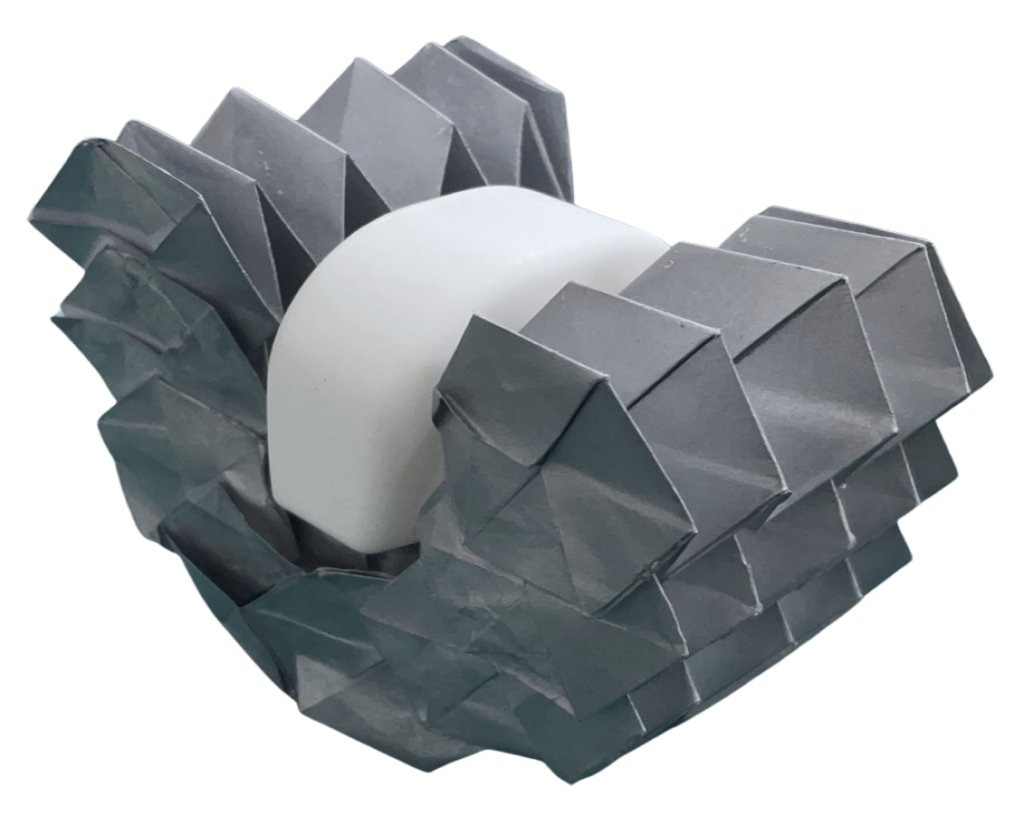


Test procedure
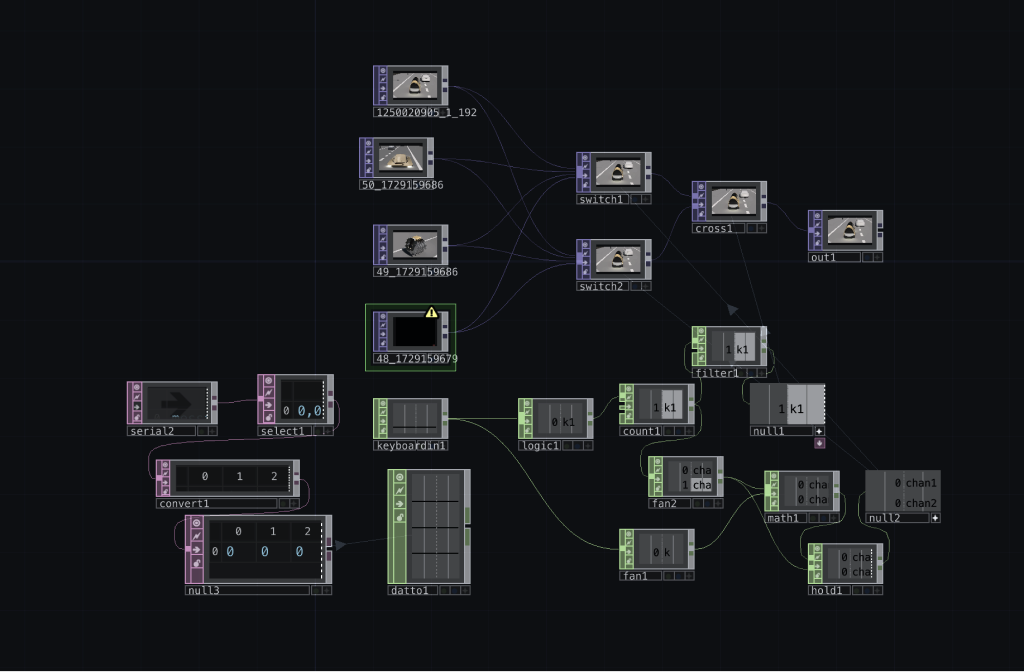
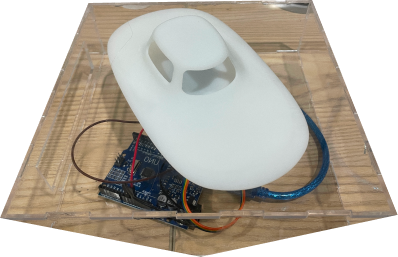
Touch Designer
int servopin = 7;
void servopulse(int angle)
{
int pulsewidth = (angle * 11) + 500;
digitalWrite(servopin, HIGH);
delayMicroseconds(pulsewidth);
digitalWrite(servopin, LOW);
delayMicroseconds(20000 - pulsewidth);
}
void setup()
{
pinMode(servopin, OUTPUT);
}
void loop()
{
for(int i=0;i<1000;i++) { servopulse(45); }
delay(1000);
for(int i=0;i<1000;i++) { servopulse(0) ; }
delay(1000);
for(int i=0;i<1000;i++) {servopulse(135); }
delay(1000);
for(int i=0;i<1000;i++) {servopulse(180); }
delay(1000);
Arduino Code
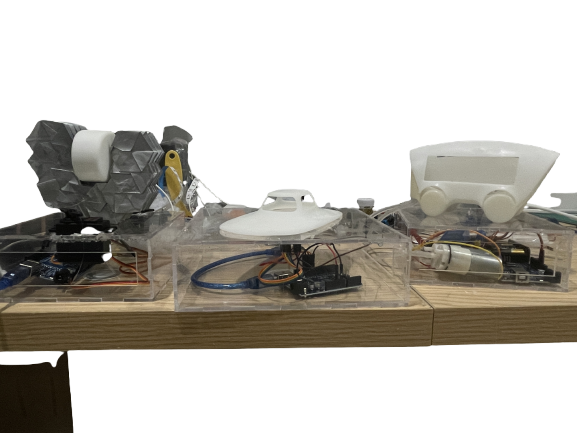

PRODUCTION PROCESS
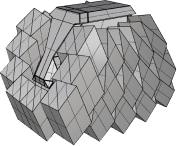
3D Model
3D Printing
Origami Tubes
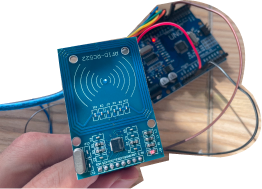
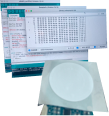
RIFD Chip and Detector
3D Printing
3D Model
Final Work

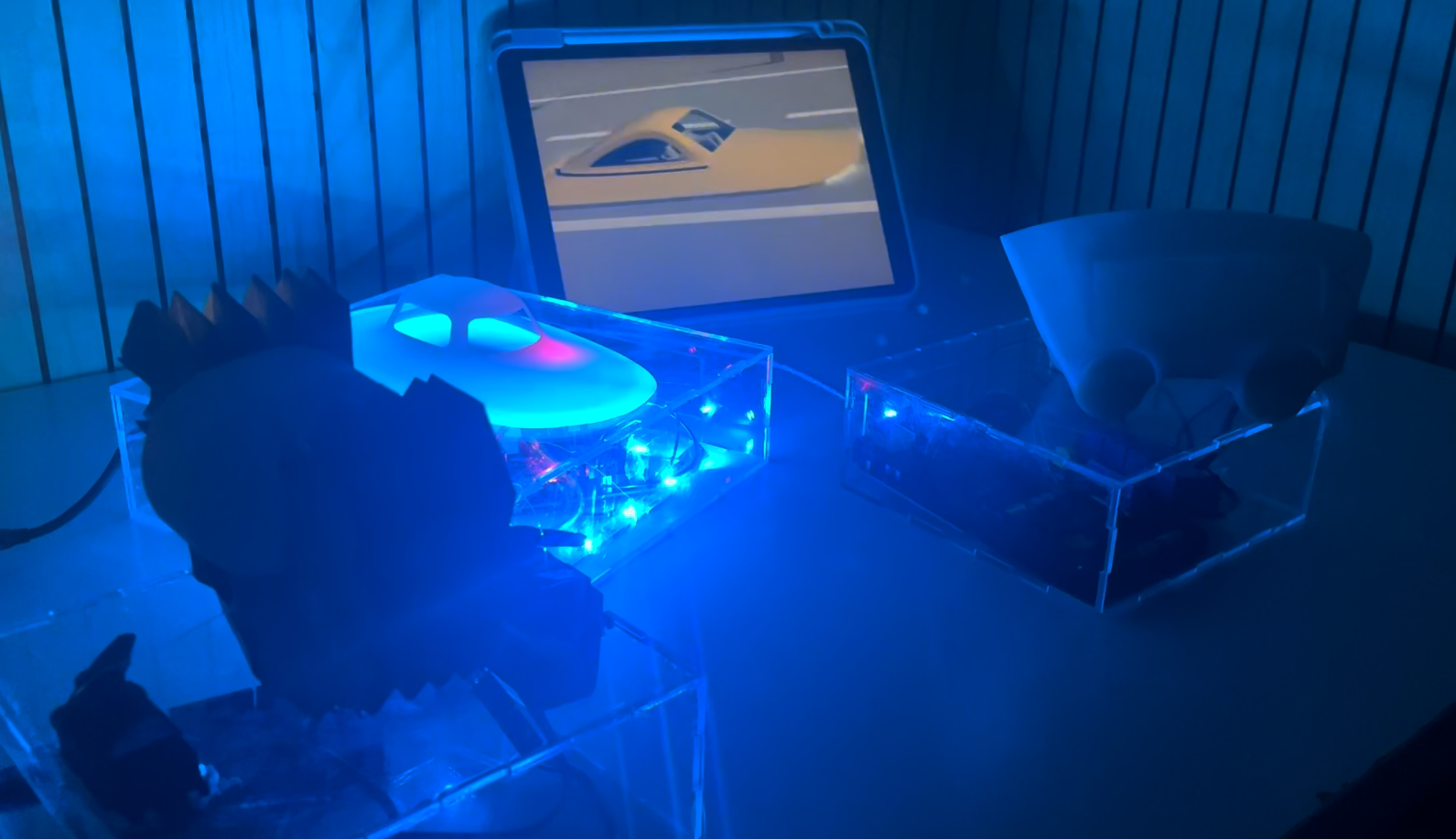
Display of the installation and detailed drawings of the installation.
FINAL WORK